palaniappan p6 min
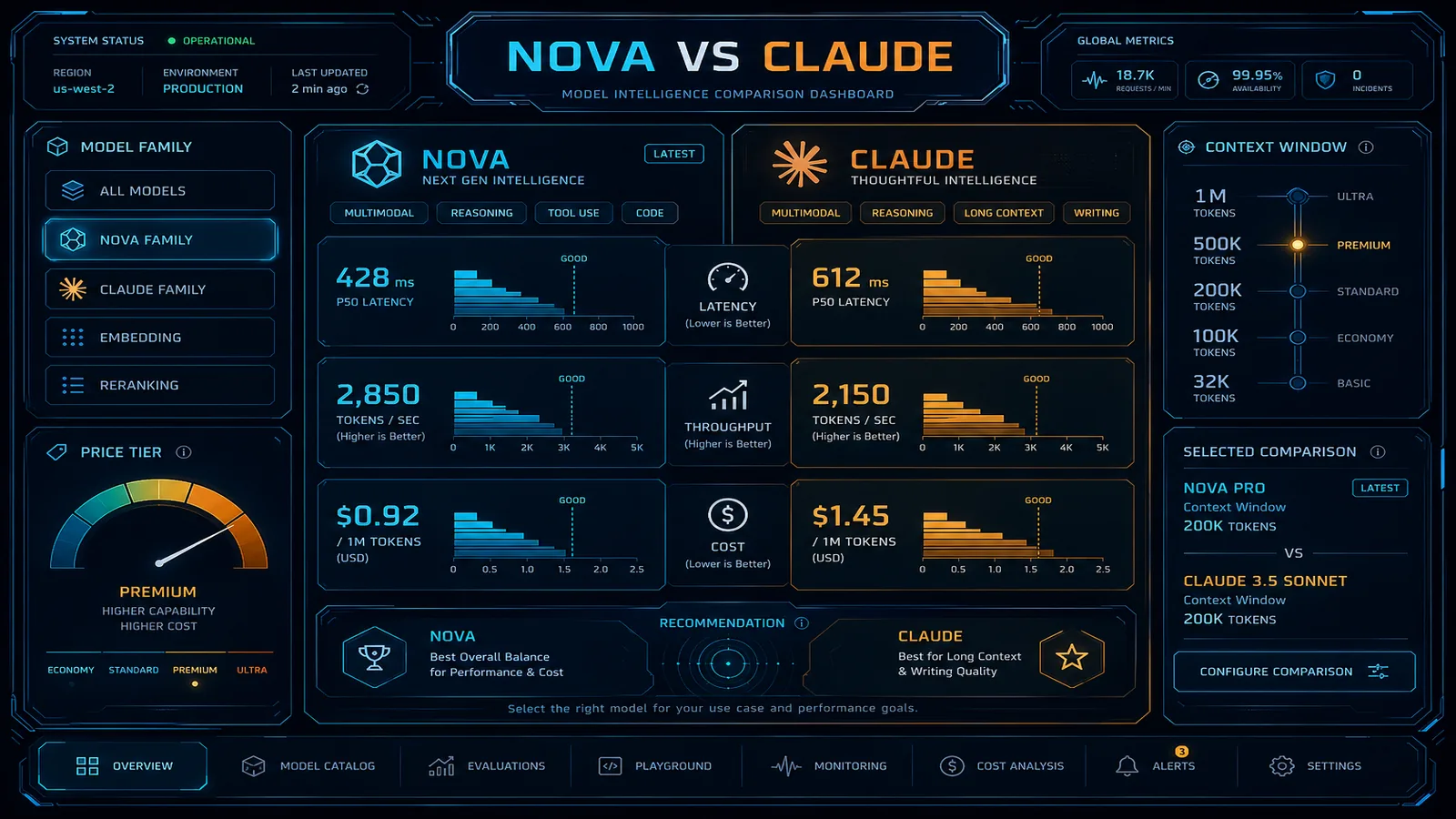
AWS Bedrock Nova Models: Performance, Cost, and When to Choose Over Claude
AWS Nova models vs Claude: pricing comparison, performance benchmarks, and decision framework for choosing the right Bedrock model for your enterprise AI.

FactualMinds Blog
Expert perspectives on AWS cloud consulting, generative AI, and enterprise solutions.
AWS Nova models vs Claude: pricing comparison, performance benchmarks, and decision framework for choosing the right Bedrock model for your enterprise AI.
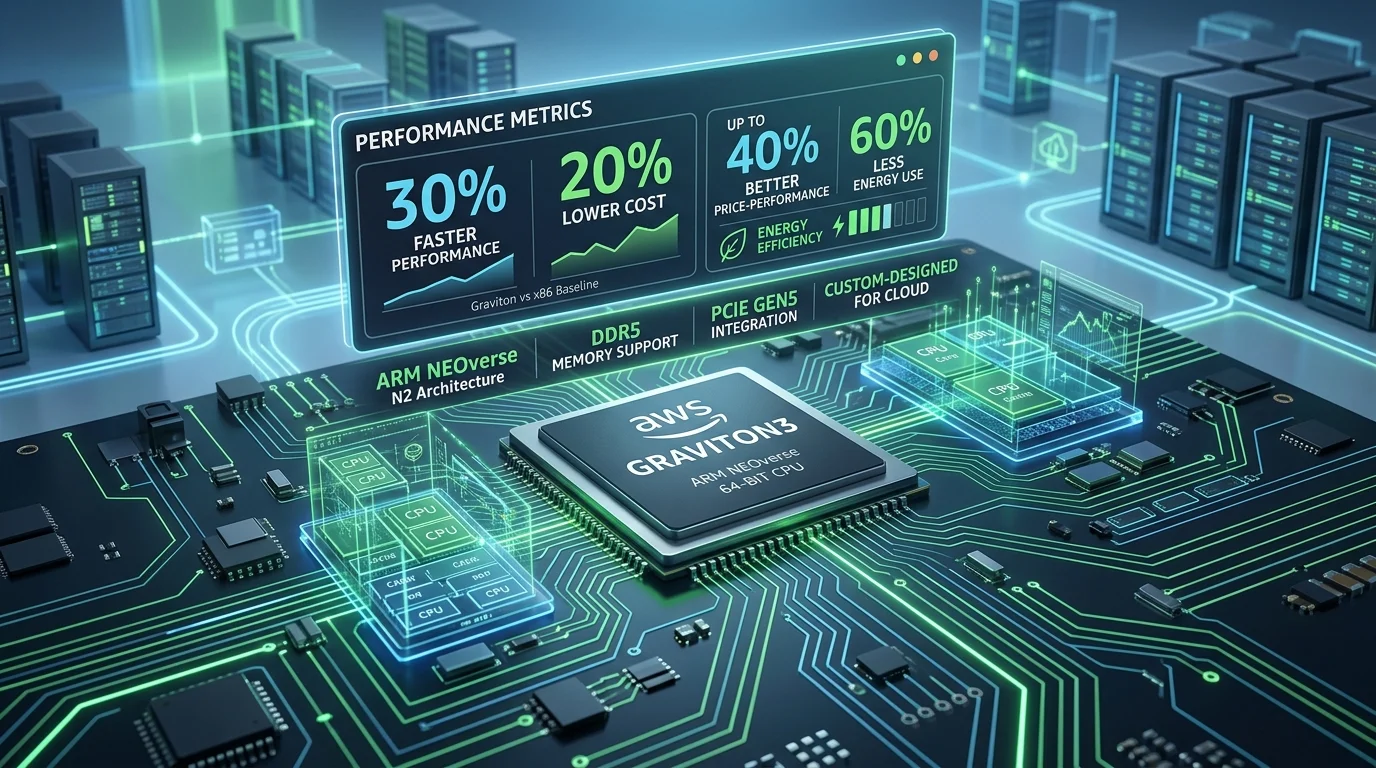
AWS Graviton processors deliver 20-40% cost savings and better performance-per-watt. Complete guide: migration path, performance benchmarks, and production deployment patterns.
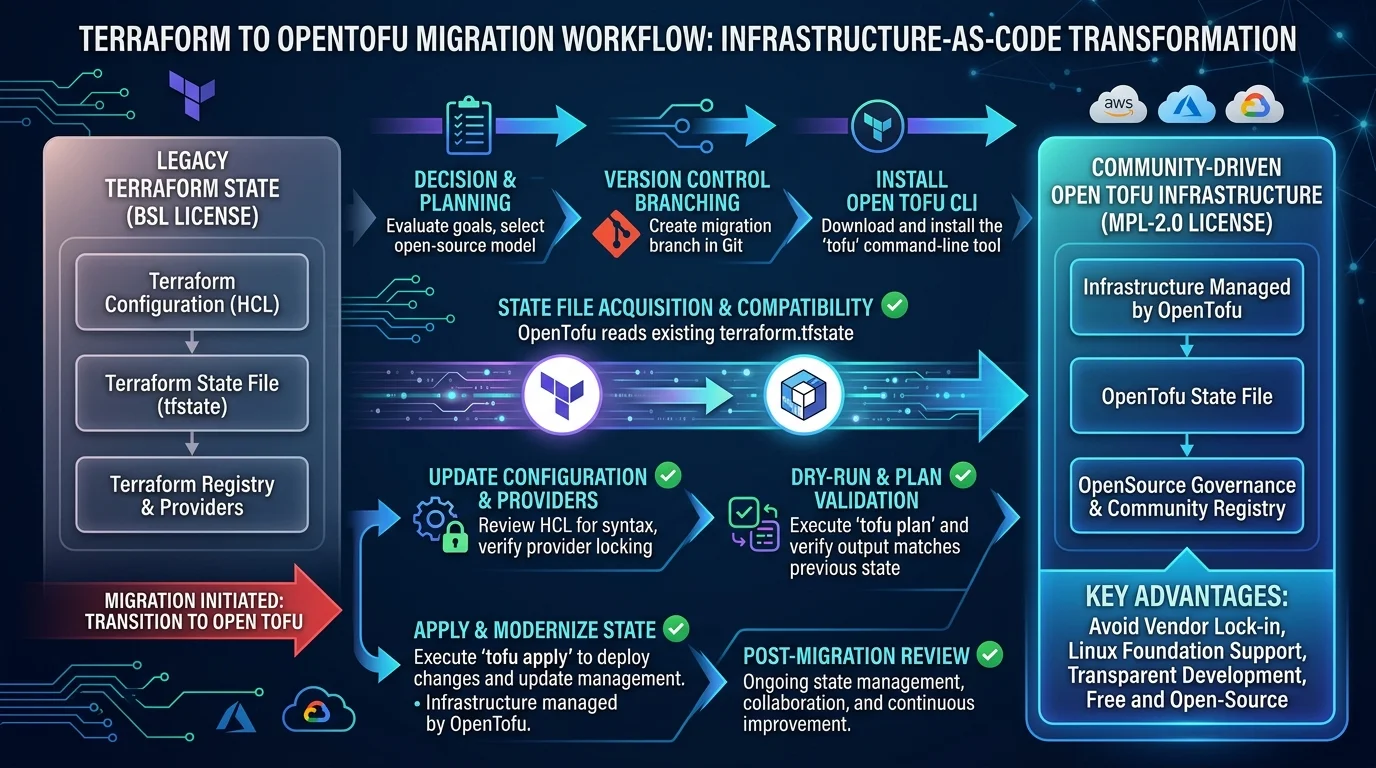
Terraform to OpenTofu migration: compatibility, risks, tools, and production deployment patterns for AWS infrastructure.
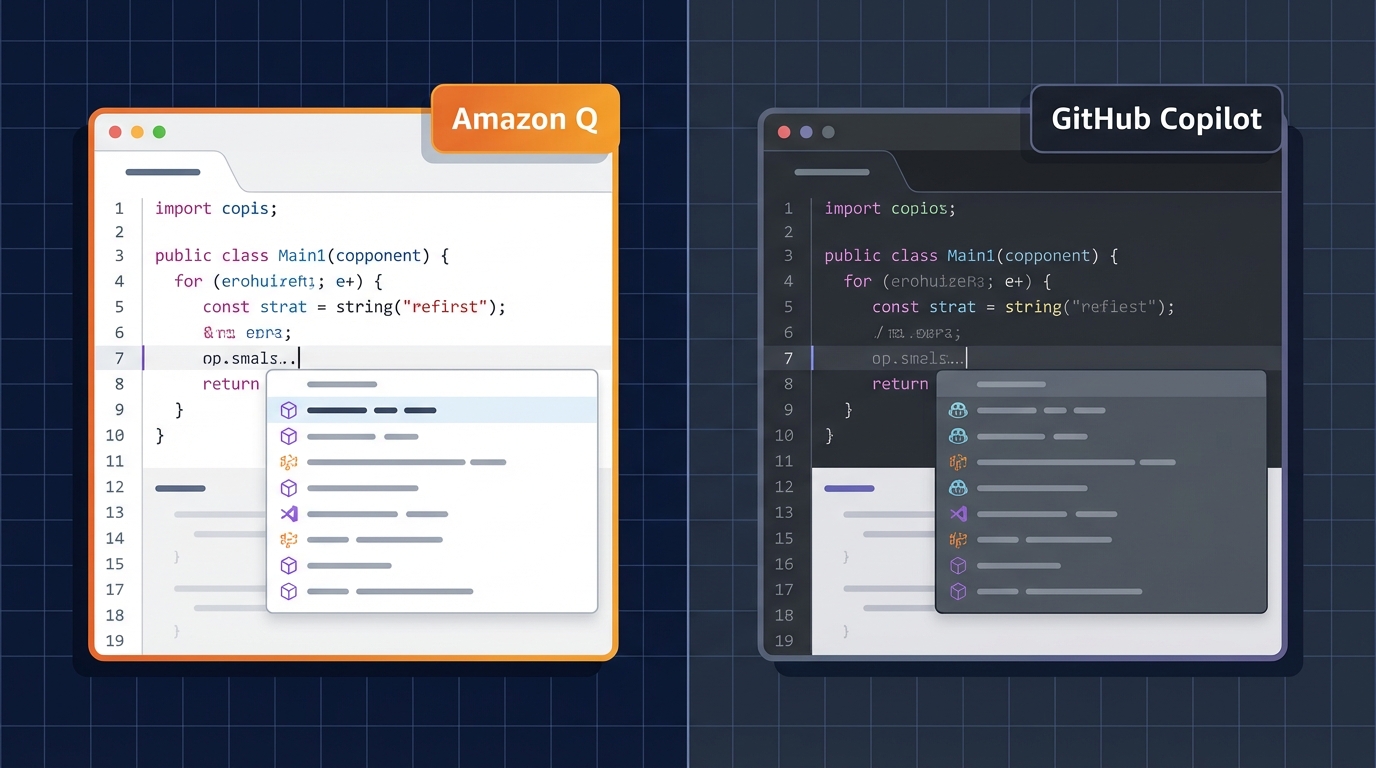
Compare Amazon Q and GitHub Copilot for code generation, IDE integration, and developer productivity.
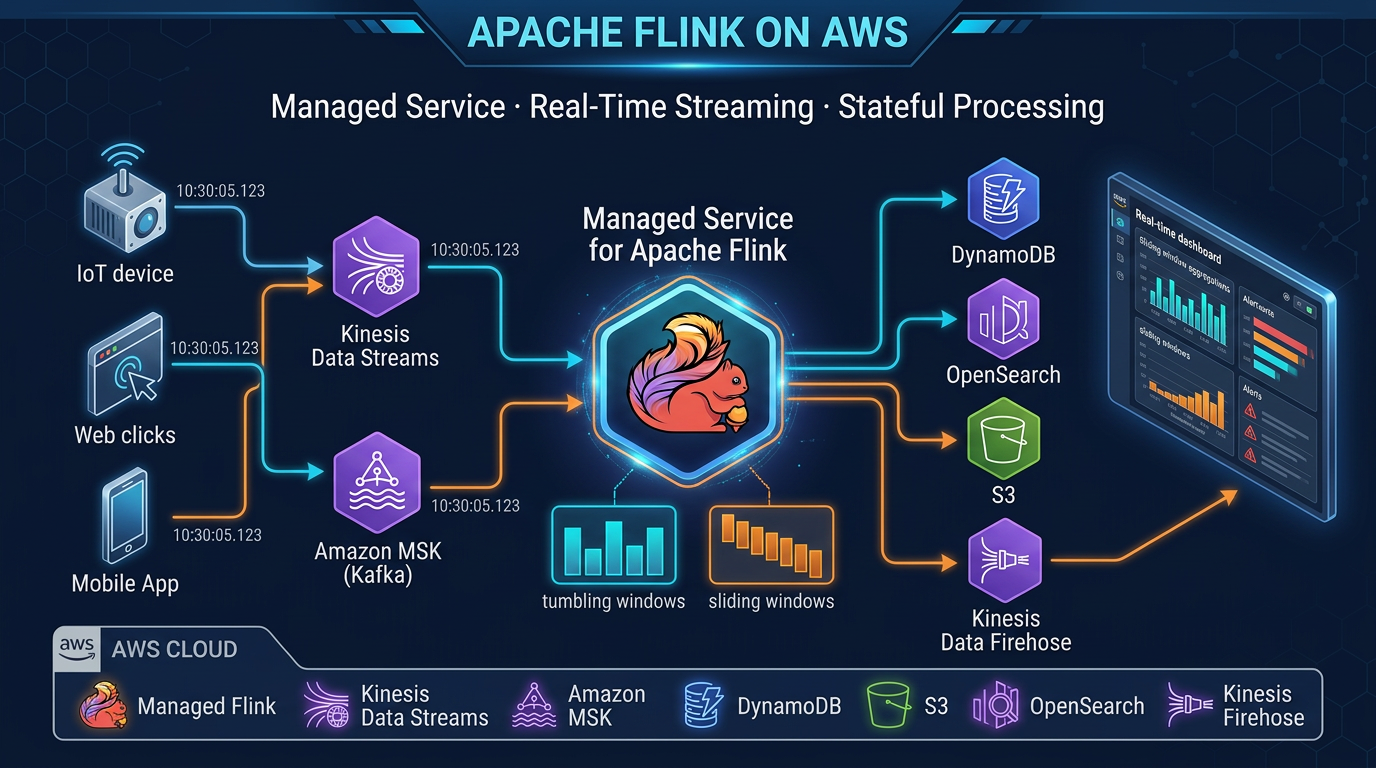
Managed Flink for stateful streaming. July 2026 refresh — KDA name EOL, KPU + orchestration KPU, per-second billing, Flink vs Lambda decision matrix.
Choose between AWS Bedrock and OpenAI API for enterprise generative AI. Compare pricing, compliance, latency, and feature trade-offs.
The business case for hiring a certified AWS consultant: 12 specific, measurable benefits — from MAP credits and FinOps savings to faster AI deployment and compliance. Written by an AWS Select Tier Services Partner.
Compare fine-tuning and RAG (retrieval-augmented generation) for customizing LLMs on Bedrock. Cost, latency, and accuracy trade-offs.
Production guide for HIPAA-compliant generative AI on AWS Bedrock — BAA scope, eligible models, Guardrails for PHI redaction, Knowledge Bases for RAG over clinical data, VPC isolation, and the audit evidence package OCR investigators expect.
Build SaaS with AI: multi-tenant architecture on Bedrock, cost isolation, and tenant data security.
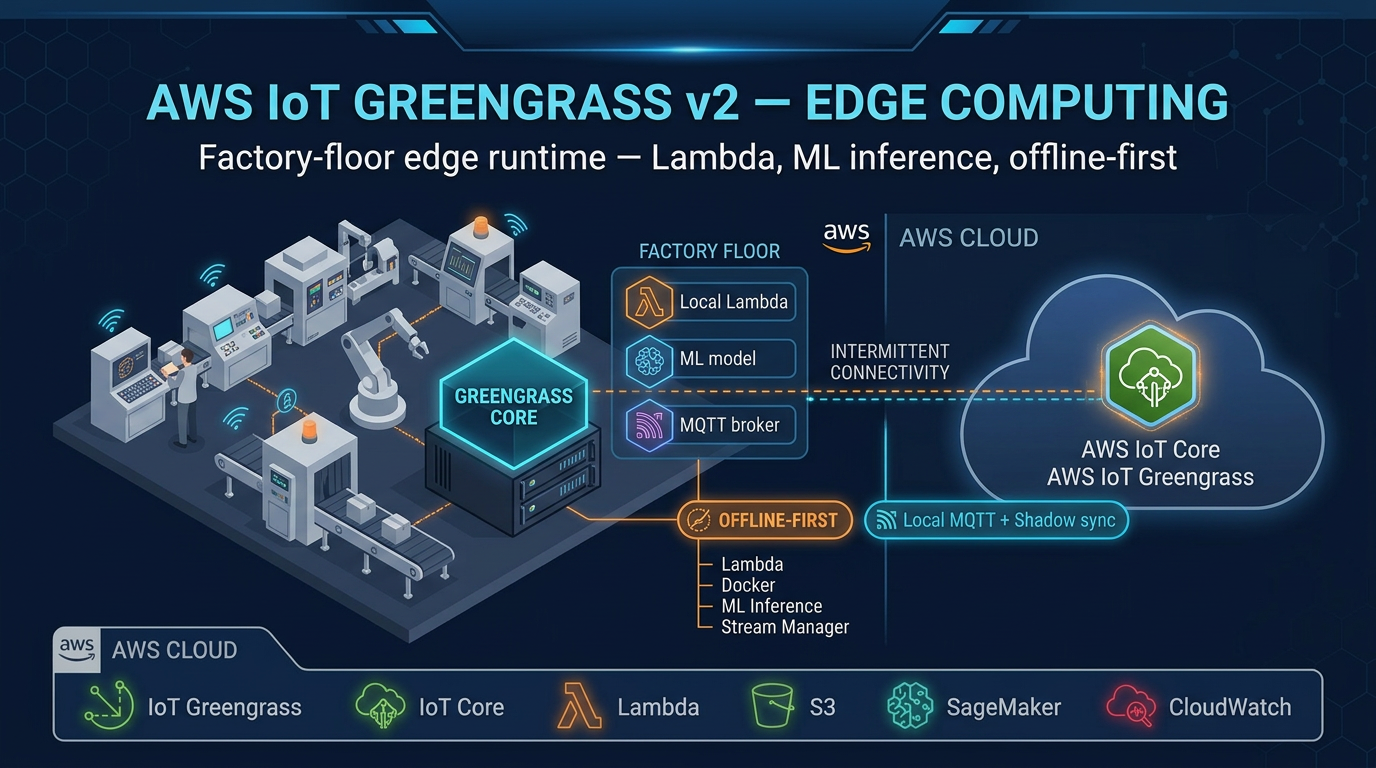
Greengrass v2 for factory floors. July 2026 refresh — Nucleus 2.18.x line, non-root install (2.17), TPM (2.16), SiteWise collector names, SageMaker Edge Manager EOL.
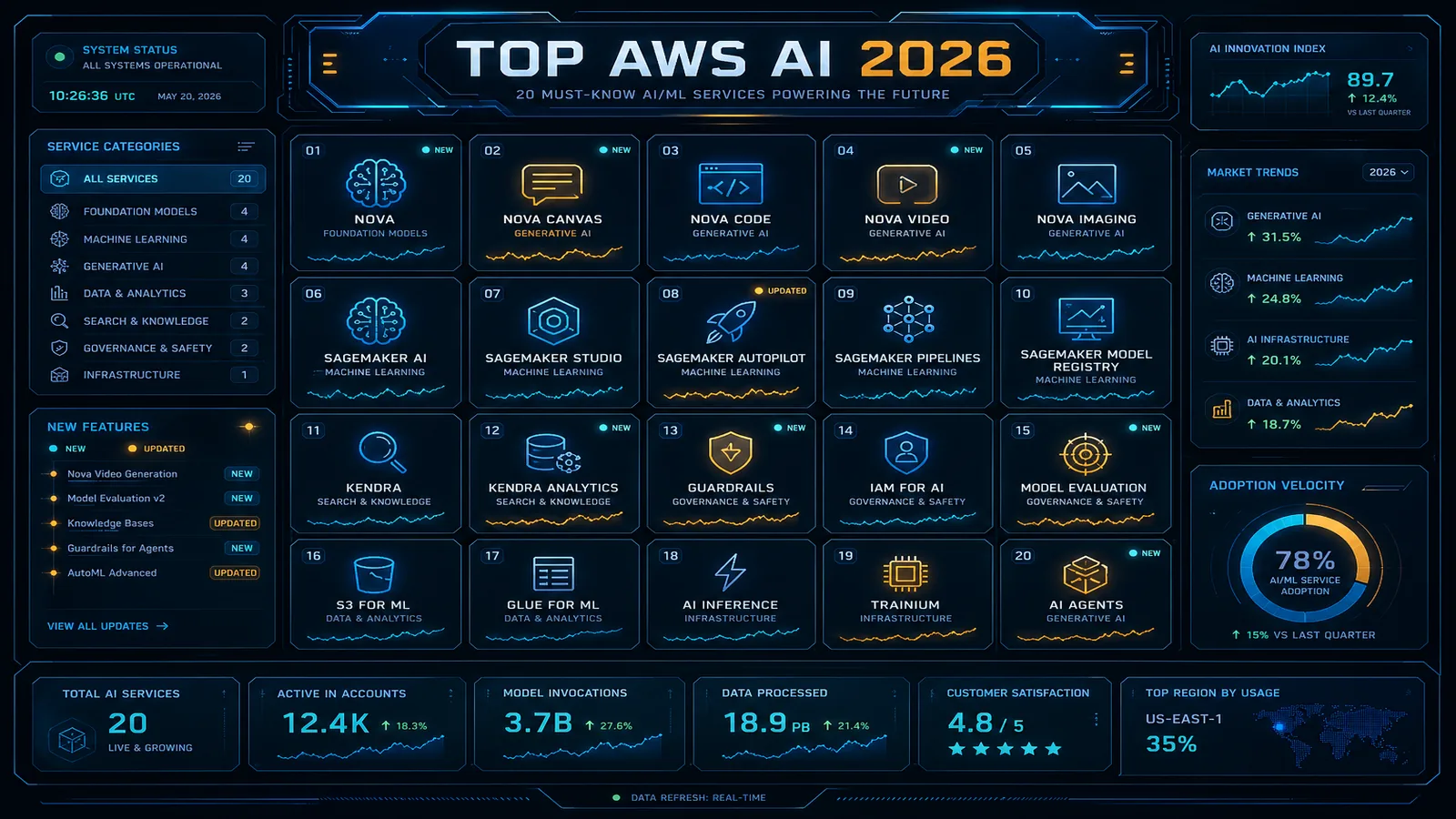
The 20 AWS services reshaping enterprise architecture in 2024–2026: AI agents, vector storage, generative BI, distributed SQL, and security automation explained.
We use cookies and similar technologies to analyze site traffic, personalize content, and provide social media features. By clicking “Accept,” you consent to our use of cookies. You can adjust your preferences at any time.